

How to Find the Best Boat Seat Cleaner (and Actually Keep Vinyl Looking New)
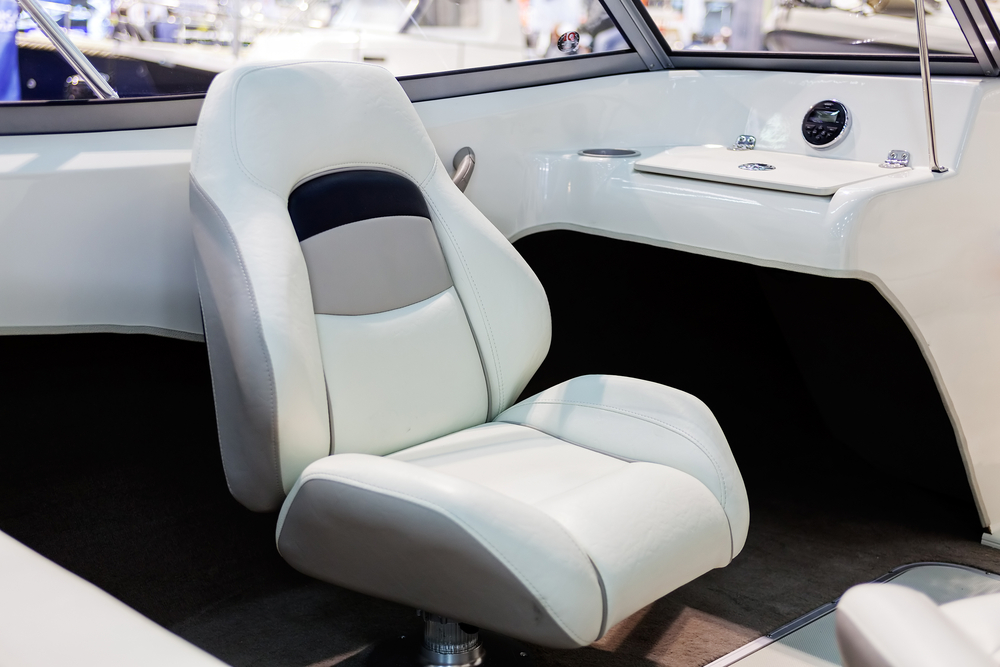
Boat seats take a beating. Sun, humidity, water spray, and the occasional spilled drink all add up. If you’ve pulled the cover off your boat after a few weeks of storage and found black mold streaking across the vinyl, you know how fast things go south. A good boat seat cleaner protects real money you’ve already spent, before the damage turns permanent.
Here’s what works, and what to look for before you grab the first bottle off the shelf.
Why Boat Seats Get So Dirty So Fast
Vinyl is the standard material for boat seating because it’s tough and water resistant, at least in theory. The problem is that most boats spend the off season covered and damp, which is exactly what mold and mildew need. UV rays slowly break down the protective coating on vinyl, leaving the surface more porous and easier to stain.
Add bird droppings, algae, fish residue, and sunscreen smears, and you’ve got a surface that standard all-purpose cleaners aren’t built to handle.
That’s why off-the-shelf wipes or diluted dish soap almost always disappoint. Boat seats need a cleaner made for vinyl, one that lifts staining at the surface without eating away at the material underneath.
What to Look for in a Boat Seat Cleaner
Not every boat seat cleaner works the same way. Before you buy, here’s what separates a solid product from one that just makes things wetter.
No-Scrub vs. Scrub Formulas
Scrubbing feels productive, but going at vinyl with a stiff brush creates micro-scratches that make future staining worse. A no-scrub formula lets the chemistry do the work. Spray it on, let it sit, wipe or rinse it away. The stain lifts without you putting your back into it.
If a product needs heavy scrubbing to show results, it’s working mechanically rather than chemically. That’s fine for concrete. It’s not what you want on marine vinyl.
Cleaner Plus Protectant: Why You Need Both
Cleaning solves today’s problem. It does nothing about next month’s.
A protectant creates a barrier that helps treated surfaces resist recurring mold and mildew staining. Skipping this step is like washing your car and skipping the wax. The surface looks great right now, but the countdown to the next round of staining has already started.
How to Clean Vinyl Boat Seats Step by Step
You don’t need a complicated routine. A simple process you actually repeat beats an elaborate one you do twice a season.
Step 1: Rinse first. Knock off loose debris, dirt, and surface algae with a fresh water rinse before you apply any cleaner.
Step 2: Apply your cleaner. Spray directly onto the seat surface. With a no-scrub formula, apply it evenly and let the dwell time do the work, usually 30 to 60 seconds for surface stains.
Step 3: Wipe or rinse. For lighter staining, a soft cloth is enough. For heavier mold buildup, a gentle low-pressure rinse clears the residue.
Step 4: Apply protectant. Once the seats are clean and dry, apply a vinyl protectant to extend the clean and help the treated surface resist recurring mold and mildew staining
Dock Note: Before you use any new cleaner on your seats, test it on a small, hidden area first, especially on older or discolored vinyl. Most quality marine cleaners are vinyl safe, but 30 seconds of testing can save you a headache.
Dealing with Mold and Mildew on Boat Seats
Mold on vinyl gets worse the longer it sits. Those black streaks on older seats aren’t always surface staining. Sometimes mold and mildew staining has become deeply embedded in the vinyl’s pores and removal gets harder every week you wait.
For the best boat seat cleaner for vinyl mold, you want a product with powerful stain-fighting chemistry, not just surfactants that lift dirt. Bleach-based products can work in a pinch, but they break down vinyl over time and strip UV protectants with repeated use.
Miracle Mist takes a different approach to vinyl mold, and the speed shows. The no-scrub formula clears mold and mildew staining in under a minute without damaging the vinyl, which is why boat detailers and weekend captains keep coming back to it.
Worth Knowing: Not all discoloration on boat seats is mold. Some of it comes from oxidation, dye transfer from clothing, or mineral deposits from water. A quality boat seat cleaner handles most of these, but if staining doesn’t respond after two applications, you may be looking at oxidation or a chemical reaction in the vinyl itself. That’s worth a call to a marine upholstery shop before you write the seat off.
Pontoon and Boat Cushion Cleaning: Same Rules Apply
Pontoon seats, bass boat cushions, ski boat upholstery: the vinyl cleaning principles are the same across the board. What changes is volume. Pontoon boats have a lot more seat surface area, so coverage and efficiency matter more.
If you’re heading into spring or summer, getting ahead of mold before it sets is much easier than reversing months of growth after the boat comes out of storage. A dedicated marine cleaner applied at the start of the season, and again at the end, cuts your annual maintenance load noticeably.
For maintenance beyond the seats, cleaning the full boat exterior follows the same logic. Targeted cleaner first, protectant once the surface is dry.
Keeping Seats Protected All Season Long
A clean seat doesn’t stay clean on its own. UV exposure wears down vinyl protectants, and humidity handles the rest. Building a simple maintenance habit does more for your seats than any single deep clean.
A quick spray-down after every few outings, especially if the boat sat covered in the heat, helps keep mold and mildew stains and buildup from taking over the surface. Add a protectant reapplication around mid season and your seats will hold up much better year over year.
When you’re ready to stock up, shop the MiracleMist RV & Boat Cleaner 2-Pack. It’s the practical choice if you’re maintaining your boat more than a couple of times a season.
Clean Seats, More Time on the Water
Boat seats are the first thing people see, and the first place wear shows up when maintenance slips. Keeping vinyl clean doesn’t take hours of labor or a shelf full of products. The right boat seat cleaner, used consistently, does most of the work.
Find the product that fits your boat, build the habit, and spend your time on the water instead of fighting stains on the dock.
Frequently Asked Questions
Q: What is the best boat seat cleaner for vinyl with mold?
A: The best boat seat cleaner for vinyl with mold uses targeted stain-fighting chemistry rather than scrubbing or harsh bleach. Look for a no-scrub, spray-on formula that removes mold staining in under a minute without damaging the vinyl surface. MiracleMist’s RV & Boat Cleaner is formulated for marine vinyl and handles mold, mildew, and surface staining without abrasive scrubbing.
Q: Can you prevent mold from coming back on boat seats after cleaning?
A: You can, but cleaning alone won’t do it. After removing mold and mildew stains, apply a vinyl protectant. It’s the step most boat owners skip, and it’s the one that makes the biggest difference. A quality protectant helps treated surfaces resist recurring mold and mildew staining, and some formulas hold up for months. Reapplying at the start and end of the boating season cuts down on how often you need a deep clean.